• Home
  • Author
    • RattleSnake Fire: a memoir of extra-dimensional experience
    • “Overview of an Ignored Reality”
    • “Don’t Shoot the Drummer”
    • “Backlash ‘Deadly Serious’”
    • “Tree Hugger”
    • “Born on the 7th of July: A Citizen’s Scrapbook Story”
    • “Paracelsus, Rudolph Steiner and Aliens”
    • “Last Vision Quest”
    • “The Roadgrader”
    • “Solar Inspiration”
    • “Remaking Our Economy – Our Way”
    • Bartering Re-Thunk
    • Designing a Human Ecosystem
    • I am a Weaver
  • Artist
    • Home & Garden
    • Fiber Art
    • Pencil
    • Primitive Arts
    • Video & Radio
    • Natural Plaster and Stone
    • Photography
  • Consultant
  • More
    • Desert Hermit
    • Speaker
    • Minister
    • Real Estate Agent
    • Business Manager
    • Transpersonal Hypnotherapist ™

Jean Ann Eisenhower

~ Author, Artist, Activist, Consultant

Jean Ann Eisenhower

Category Archives: Uncategorized

Soap Heresy: Use less, use more consciously

10 Thursday Sep 2015

Posted by Jean Eisenhower in Uncategorized

≈ Leave a comment

This article was published in the Silver City Daily Press/Independent in August 2015, the first in my new monthly series Thinking about Home-Making. (Isn’t that a quaint title!)  I’m happy to return to regular writing about regular things!

A blissful, naked man or woman lifts an ecstatic face in a steamy shower while soap bubbles slide seductively down the body.

Soap is normal, good, and decent, right?  Not necessarily.

Soap strips the skin of its natural oil, which helps protect us from bacteria, viruses, fungi, mold, yeast, and toxic chemicals in the air.  There’s no good reason to remove this natural protection, and many reasons to leave it in place.

But that doesn’t mean we have to leave the dirt, sweat, other skin exudations, and dead skin cells on our bodies – not at all!  The simple application of water and something to scrub with – a brush, a wash cloth, or a loofah – will do an excellent job at removing those while leaving the natural oil behind.

There’s a growing minority of people who’ve committed the cultural heresy of questioning the overuse of soap – and in the process healed skin conditions that seemed un-healable.

We might have shouted our discoveries to the world, but no.  It’s a touchy thing, to talk about bathing, but let’s talk about it.

The most important thing in the shower is to remove dead skin cells, natural exudations, and dirt.  Removing dead skin cells actually reduces wrinkles, and also removes critical habitat for bacteria and other microscopic life forms.  Using friction instead of soap removes those invisible undesirables, while leaving our natural skin oil intact, which protects our skin and allows it to heal naturally.

Heretics have discovered that eliminating soap also eliminates the need for lotion to replace the natural oils they just sent down the drain.  Armpits, scrubbed fresh of dead skin cells, suddenly have less odor.  Even athlete’s foot conditions cleared up entirely when pumiced and left otherwise alone or helped with a mild herbal medicine.

More intimate areas?  Try it and see.  Water and a careful hand can get you squeaky-clean and naturally in balance and healthy.  There’s really no need to strip our skin of its Goddess-given protection anywhere on our bodies!  ‘Nuff said.  (Except:  I feel sorry for women and men with sometimes chronic infections, entirely unnecessary, with healing so simple, easy, and very money saving.)

If foregoing soap seems “too dirty,” imagine:  soap stripping your skin, your pores exposed to germs in the air, cells invaded, skin’s pH changed, systems weakened, germs growing while skin tries to produce more protective oil, germs growing, excreting their stink.  Or:  natural oil protecting healthy skin, keeping those germs in balance.

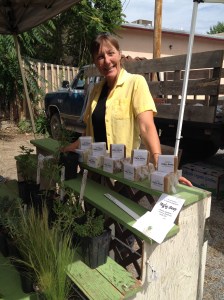
barb filaRecently, I conversed with Barb Fila, who makes natural, organic artisan soaps in Silver City, who didn’t bat an eye when I began to tell my story.  “I don’t use much soap either,” she told me, to my surprise.

Together we concluded:  Use soap on hands as often as necessary, and sparingly or rarely other places.  And buy organic soaps that feed the skin, not stress it.  And buying from a local maker is even better, as the money stays in our community, and you trust the soap maker.

Finally, the fun stuff:  Shall we buy peppermint soap?  Oatmeal?  Lavender?  Or something else exotic, like chocolate-mint, or fig leaf?  Some bars might attract us by their aroma or emotional associations, but many soaps serve specific needs.

For hand-washing, lavender has ancient history, as it’s mildly antibiotic, but not so heavy-duty as to encourage your household germs to mutate and become more virulent.

Tea tree oil (melaluca) soap is more seriously antibacterial, but one should avoid going heavy-duty, as frequent use may encourage germs to mutate, as evidence indicates the common industrial antibacterial soaps are doing these days – not to mention those chemicals disrupting our immune systems and adding toxins to our world.

Peppermint stimulates circulation for tired feet.

And our faces love the nourishment of oatmeal bars.

Now that I use less than 1/10th the soap I used to use, I not only feel better, but I estimate I’ve saved $7,500 on organic lotion these last three decades, and more on soap, medicines and doctor visits.   

Today, it’s easy to live frugally and still enjoy the luxury of a quality bar of organic, exotic, natural, healing soap – used in moderation.

~

(Yes, there’s so much more to say on this subject, but I’m limited to 600 words.)

Share this:

  • Click to share on Facebook (Opens in new window) Facebook
  • Click to share on Pinterest (Opens in new window) Pinterest
  • Click to share on LinkedIn (Opens in new window) LinkedIn
  • Click to email a link to a friend (Opens in new window) Email
  • Click to share on X (Opens in new window) X
  • More
  • Click to share on Pocket (Opens in new window) Pocket
  • Click to share on Tumblr (Opens in new window) Tumblr
  • Click to share on Reddit (Opens in new window) Reddit
  • Click to print (Opens in new window) Print
Like Loading...

Your Sun Oven Distributor with a Reminder

03 Thursday Sep 2015

Posted by Jean Eisenhower in Uncategorized

≈ Leave a comment

solar cook b

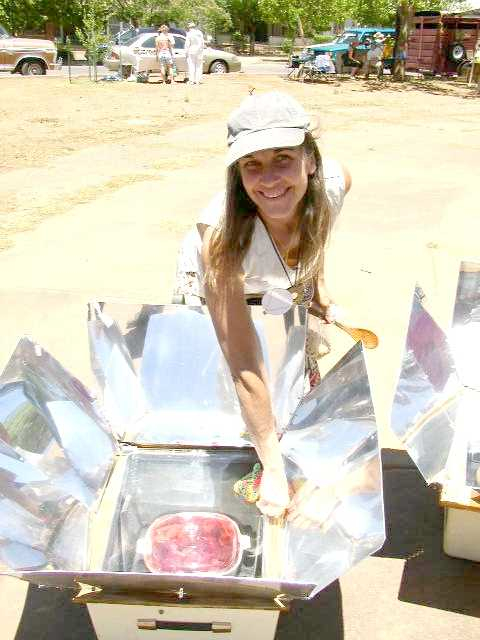
Some of you know me as simply a Sun Oven distributor.  So I’ll put on that hat today….

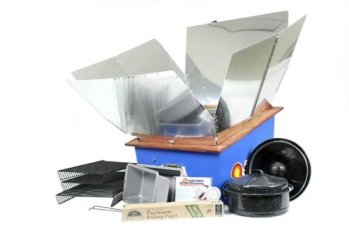
images.duckduckgoThe current special – now extended – saves you 40% on the Dehydrating and Preparedness Accessory Package when you purchase a new Sun Oven.

The package, for $32.70 (instead of $65 or more) includes:

Fresh_Tom_in_GSO.jpeg* Multi-Level Dehydrating & Baking Rack Set (set of 3 racks w/1 roll parchment paper)

bbcf50eb-cf73-466b-930c-4aaedb2620a9* Two Easy-Stack Pots w/interchangeable enamel and glass lids [this set is my personal favorite]

wapi_case-1-148x148* loaf pansMulti-Fuel Water Pasteurizing Indicator (WAPI) (read more about it and the other accessories here)

* Two Loaf Pans

* Computer CD featuring 600 recipes, videos and much more

Since the cook pots (my favorite) cost $25, and the WAPI ($9) is an essential survival item (with or without a Sun Oven), it’s like getting two loaf pans and dehydrating racks for free!  Price good through October 31st.

Purchasing is easy:

Just email jean7eisenhower@gmail.com, and I’ll have you sent an invoice from PayPal, which you can pay with a credit card, debit card, or PayPal account!

My Sun Oven cost is the lowest the company allows:  just $294.00 ($261.15 + $32.85 shipping within the continental US).

The Sun Oven with the Dehydrating and Preparedness Package, valid through October 31, totals $326.70, plus tax if you live in New Mexico, none if you don’t.

(This special has been so well-received, there’s a 7-day delay between ordering and shipping.)

Also, be sure to check out the accessory page, to read about the WAPI and other accessories – including cookbooks and a programmable meat-thermometer!

snow-cooking croppedEven in winter, solar ovens cook!

They will cook a little more slowly because of the lower angle of the sun reaching the northern hemisphere, but not because of colder temperatures, even with snow on the ground.

I regularly cook in my Sun Oven all year round.

Because it’s fun, and it’s good to be called outdoors a few times a day, good for the soul.

Share this:

  • Click to share on Facebook (Opens in new window) Facebook
  • Click to share on Pinterest (Opens in new window) Pinterest
  • Click to share on LinkedIn (Opens in new window) LinkedIn
  • Click to email a link to a friend (Opens in new window) Email
  • Click to share on X (Opens in new window) X
  • More
  • Click to share on Pocket (Opens in new window) Pocket
  • Click to share on Tumblr (Opens in new window) Tumblr
  • Click to share on Reddit (Opens in new window) Reddit
  • Click to print (Opens in new window) Print
Like Loading...

Love Has No Labels

01 Wednesday Jul 2015

Posted by Jean Eisenhower in Uncategorized

≈ 2 Comments

Just sent to me with one word:  Wow!

I agree:

http://lovehasnolabels.com/

Share this:

  • Click to share on Facebook (Opens in new window) Facebook
  • Click to share on Pinterest (Opens in new window) Pinterest
  • Click to share on LinkedIn (Opens in new window) LinkedIn
  • Click to email a link to a friend (Opens in new window) Email
  • Click to share on X (Opens in new window) X
  • More
  • Click to share on Pocket (Opens in new window) Pocket
  • Click to share on Tumblr (Opens in new window) Tumblr
  • Click to share on Reddit (Opens in new window) Reddit
  • Click to print (Opens in new window) Print
Like Loading...

First Annual “Summer Solstice Solar Cooking Celebration” in Silver City!

16 Tuesday Jun 2015

Posted by Jean Eisenhower in Uncategorized

≈ Leave a comment

Hey Friends ~
If you live in or near Silver City, check out the First Annual “Summer Solstce Solar Cooking Celebration”!

Jean Eisenhower's avatarHome and Garden Inspiration

11062766_1716424818584877_1805128252039007996_n The outdoor Silver City Art Market is an important adjunct to the Farmers Market and other events in downtown Silver City on Saturdays from May through October. Find them on Bullard Street, across from the Farmers Market, between 7th and 8th Streets. Their website is http://silvercityartmarket.com/, and you can also find them (and “Like” them) on Facebook.

I’m super excited to team up with the outdoor Silver City Art Market in downtown Silver City to host the First Annual “Summer Solstice Solar Cooking Celebration” in Silver City!

Solar cooks are invited to come join with others, bring their ovens to the Art Market parking lot on Saturday, June 20, between 8-9 am to set up and, between 9 and 2, cook, visit, learn, demonstrate, show off your greatest solar dish – and meet new solar cooking friends, all in a relaxed, non-scheduled celebration.

The “solar curious” are invited to…

View original post 605 more words

Share this:

  • Click to share on Facebook (Opens in new window) Facebook
  • Click to share on Pinterest (Opens in new window) Pinterest
  • Click to share on LinkedIn (Opens in new window) LinkedIn
  • Click to email a link to a friend (Opens in new window) Email
  • Click to share on X (Opens in new window) X
  • More
  • Click to share on Pocket (Opens in new window) Pocket
  • Click to share on Tumblr (Opens in new window) Tumblr
  • Click to share on Reddit (Opens in new window) Reddit
  • Click to print (Opens in new window) Print
Like Loading...

Primitive Arts

26 Sunday Apr 2015

Posted by Jean Eisenhower in Uncategorized

≈ 5 Comments

I just created a new page on my site and thought I’d share it in a post with you.

teepee under oaksIn 2001, during my hermit years, I took my first “primitive skills” course – a week-long experience of learning to find food, create shelter, chip stones, make other tools, make fire, make traps, capture lizards to cook and eat, and much more.

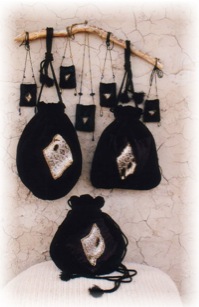
Later, I’d use my fire-making bow to temporarily display the purses below (more on them in a moment).

rattledragon bags

IMG_2836

In 2002, I found two rattlesnakes killed on a road near my home, and skinned and tanned them to use in art.

RattleDragon cardsThe first I attempted to honor in this medicine shield, but after displaying it in galleries in Bisbee and Tucson, Arizona, from 2002-2005, I disassembled it and ritually buried most of the pieces.  (I’ll post the full story about it soon.)

The second road-killed snake I honored in the special purses and medicine bags above.  Thirteen large bags were created, and eight small medicine bags, each unique and made of reclaimed silk, rayon, cotton, gold glass beads, and other natural materials.

(The last two large bags are in the Southwest Fiber Arts Collective retail gallery, The Common Thread, in Silver City, New Mexico.)

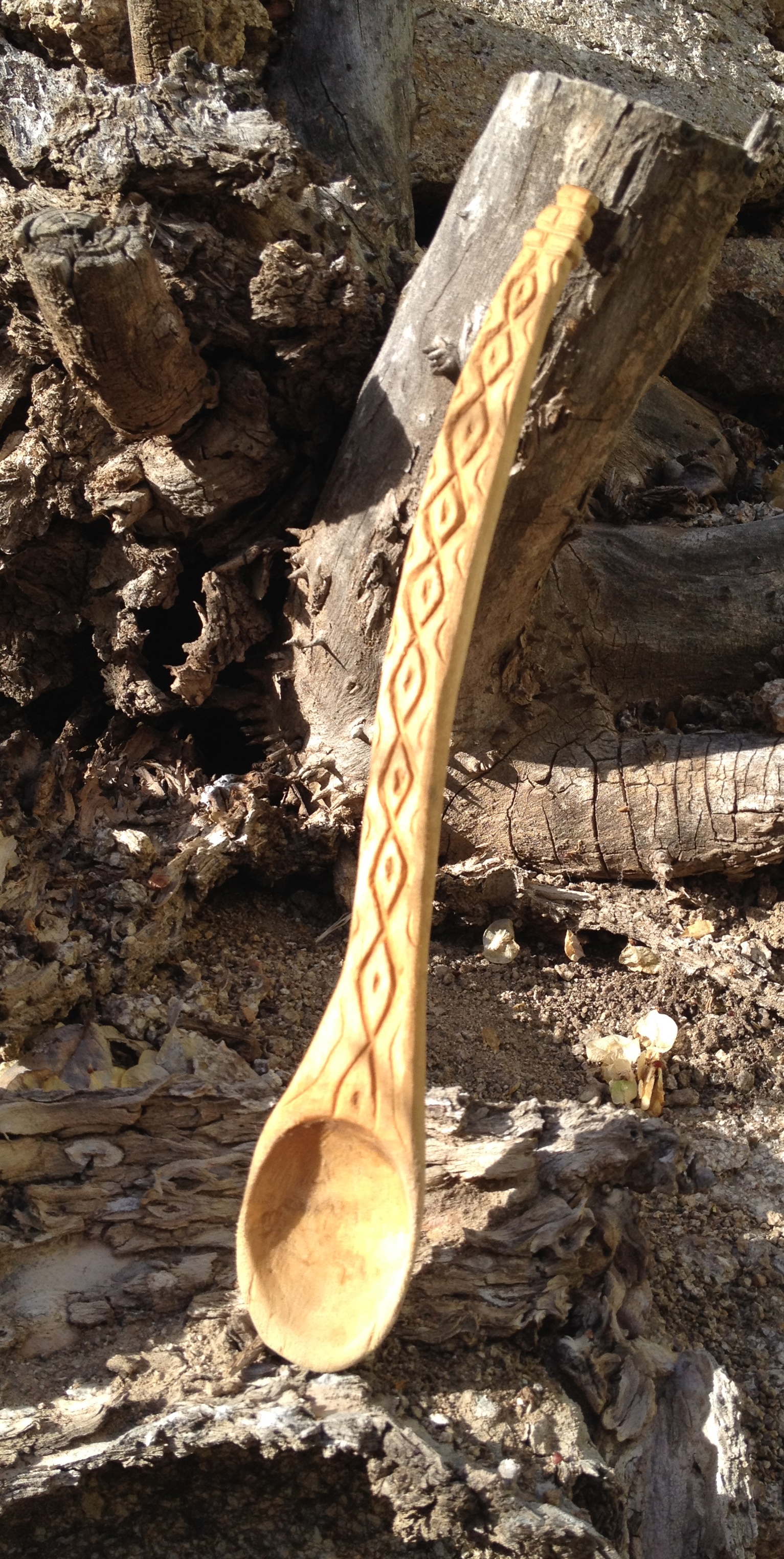
In 2006, I attended my second week-long course and learned to tan a hide, make moccasins, make sandals, make a pipe, felt wool, craft a gourd bowl, carve a wooden spoon, gather the materials to prepare and spin rope, and more, some pictured here.

My first felted purse, made in 2006, was decorated with a spiral of the natural secondary colors of the wool.  Over time, it became moth-eaten, so I composted it into the garden, unfortunately never photographed.

Later I made a beautiful felted wool hat, also never photographed, which was lost or stolen one night – which I mention in case someone in Silver City has found it.  Off-white strands I pulled from the natural brown wool and used to create a subtle, organic spiral design on the front of a lovely-textured, perfectly-fitted, natural brown, hand-felted, hand-sewn pill-box hat – that I still mourn the loss of today.

But I’ll make another!  Recently, I was gifted with two large tubs of natural wool, which I plan to turn into more hats and purses this year.  And, of course, I’ll post them when I do.

IMG_2839Much of my work, obviously, is only semi-primitive, such as the snake skin above – cured with glycerine.  The same is true of these last two items.

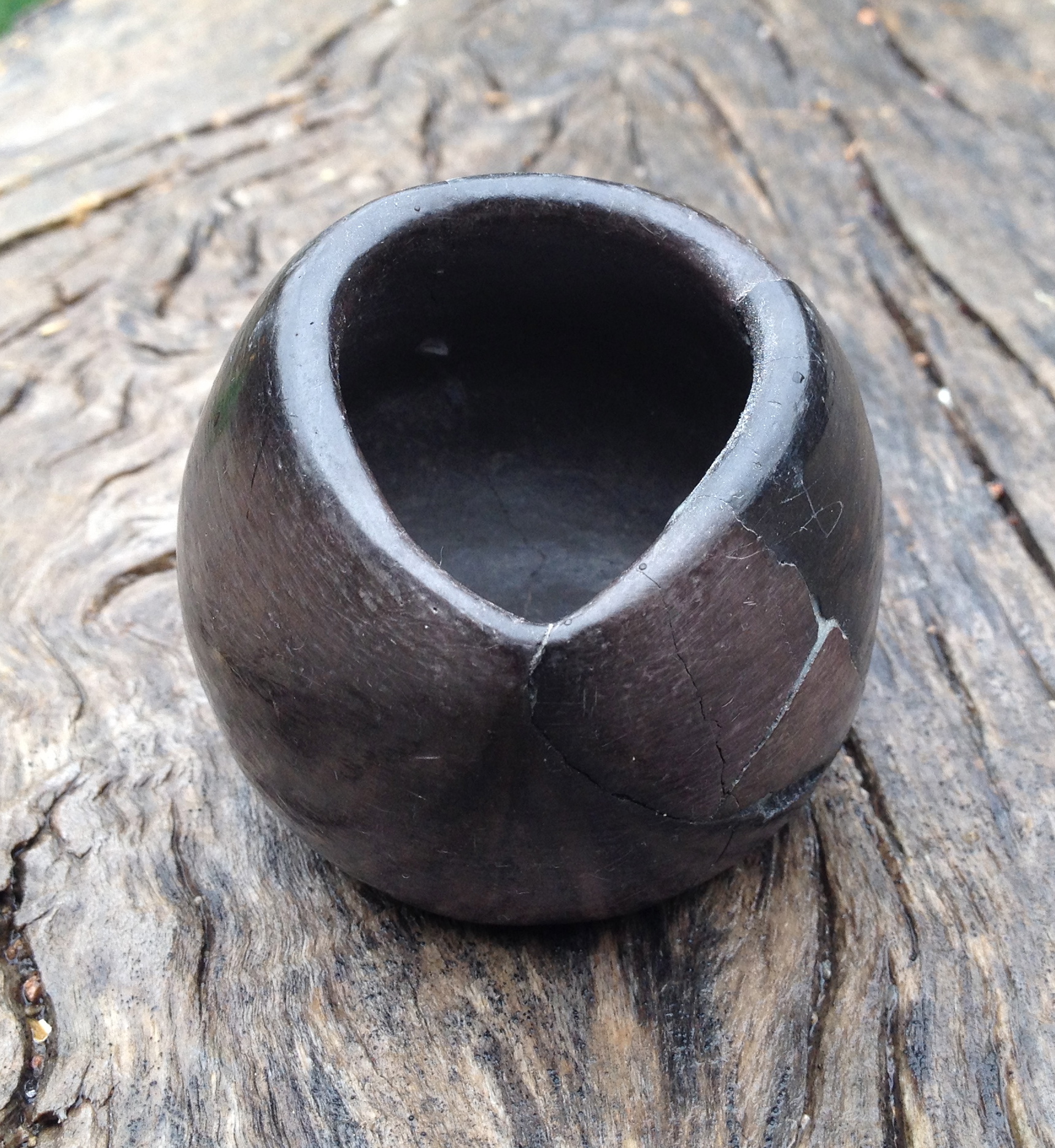
Back in the 1980s, I hand-crafted a (semi-) primitively-fired clay pot (fired in sawdust in an aerated steel can).  It’s glazed only with its own “slip” (the lightest clay that rises to the top layer when mixed in water), then hand-rubbed before firing, and finished with mineral oil.  I didn’t harvest my own clay for this, but I hope to do more of that soon.

IMG_2841In my 2006 week-long course, I made a pipe bowl of sacred red clay (the clay is only found on one reservation in the US, and is released under strict conditions by the medicine people of that tribe, so I was very honored to be allowed to receive this).  I carved it by hand from a square chunk of the relatively-soft stone, and added a flame design all around.  At home, I walked through my beloved mesquites and asked permission from one to take its branch, which I drilled (with a modern tool) and attached to the bowl with pitch glue and covered the joint with leather.  It works very well and shows its use.

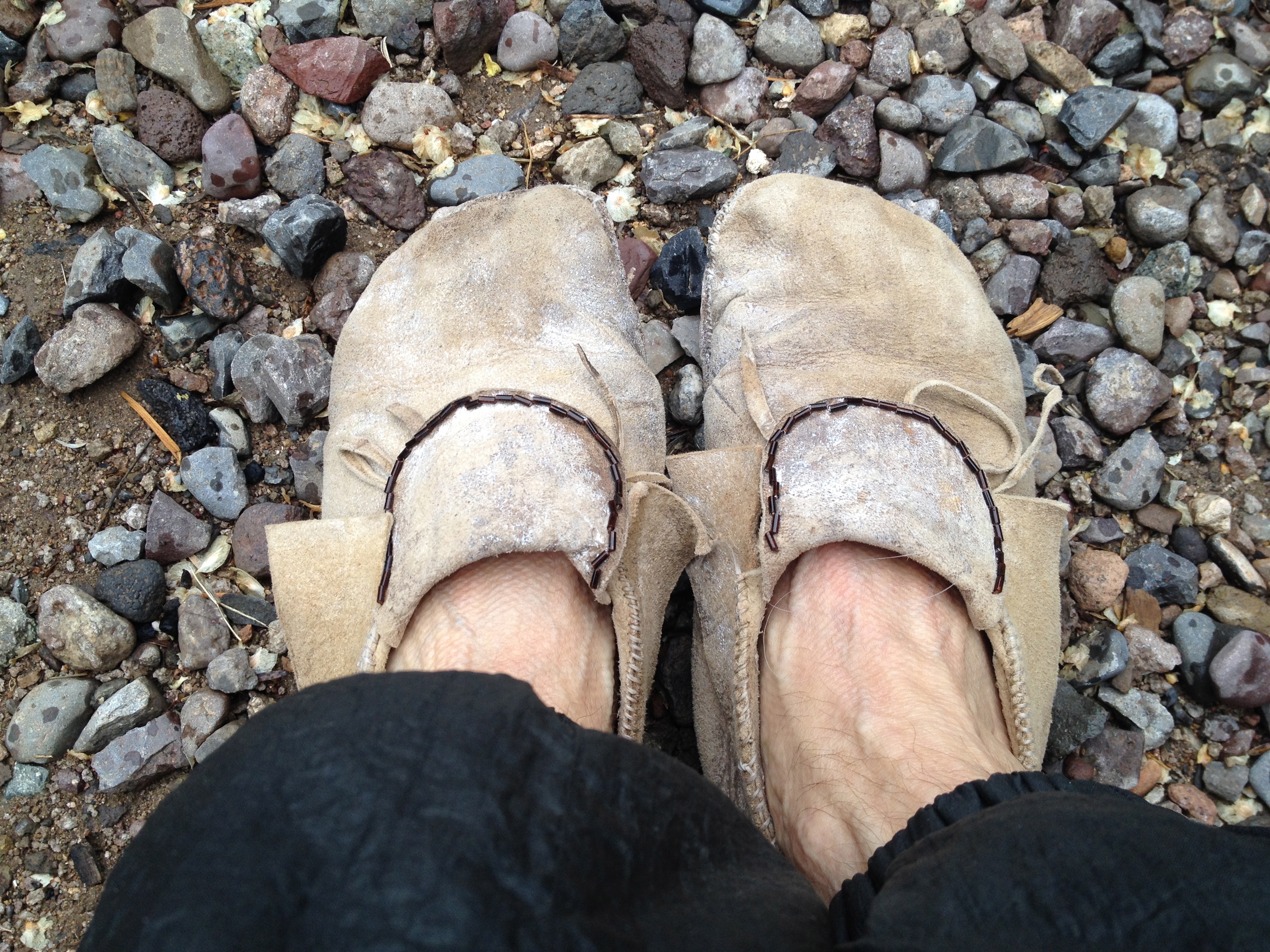
Finally my seven-year-old moccasins, of naturally-tanned deer hide, hand-sewn with sinew (and modern needle), and decorated with (modern) glass beads.

IMG_2838

Share this:

  • Click to share on Facebook (Opens in new window) Facebook
  • Click to share on Pinterest (Opens in new window) Pinterest
  • Click to share on LinkedIn (Opens in new window) LinkedIn
  • Click to email a link to a friend (Opens in new window) Email
  • Click to share on X (Opens in new window) X
  • More
  • Click to share on Pocket (Opens in new window) Pocket
  • Click to share on Tumblr (Opens in new window) Tumblr
  • Click to share on Reddit (Opens in new window) Reddit
  • Click to print (Opens in new window) Print
Like Loading...

Amazing Photos: Dragonfly Birth

25 Saturday Apr 2015

Posted by Jean Eisenhower in Uncategorized

≈ 1 Comment

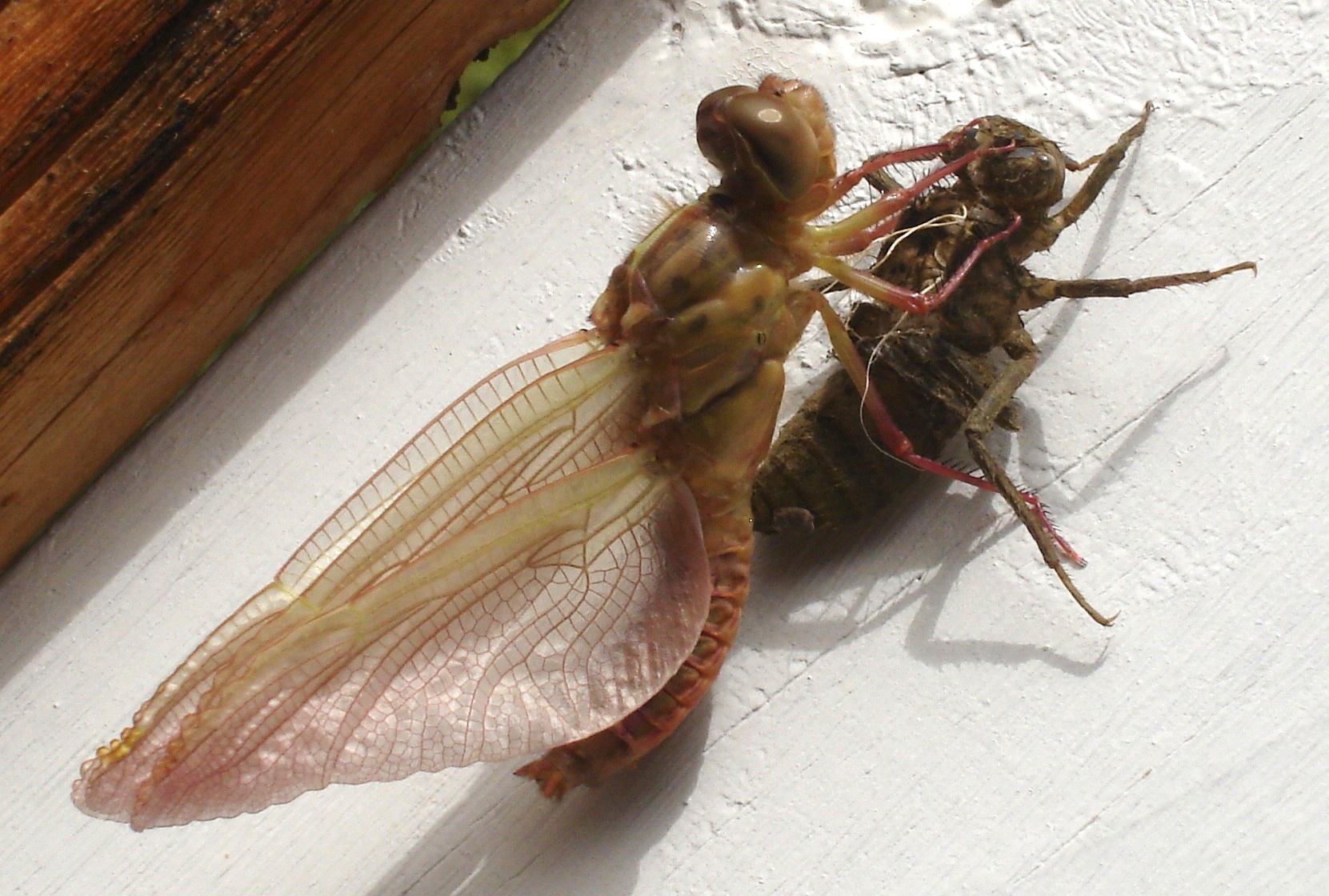
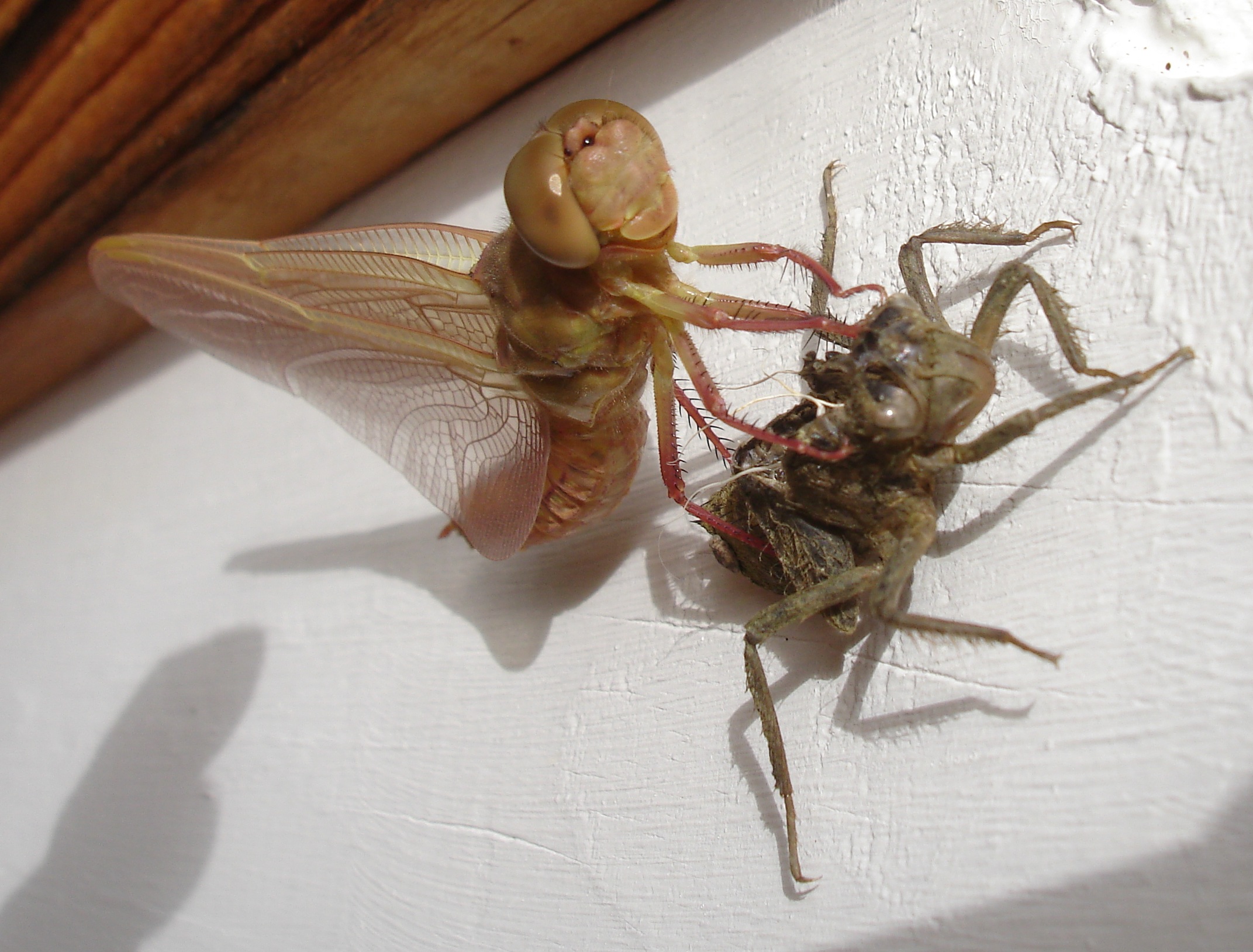
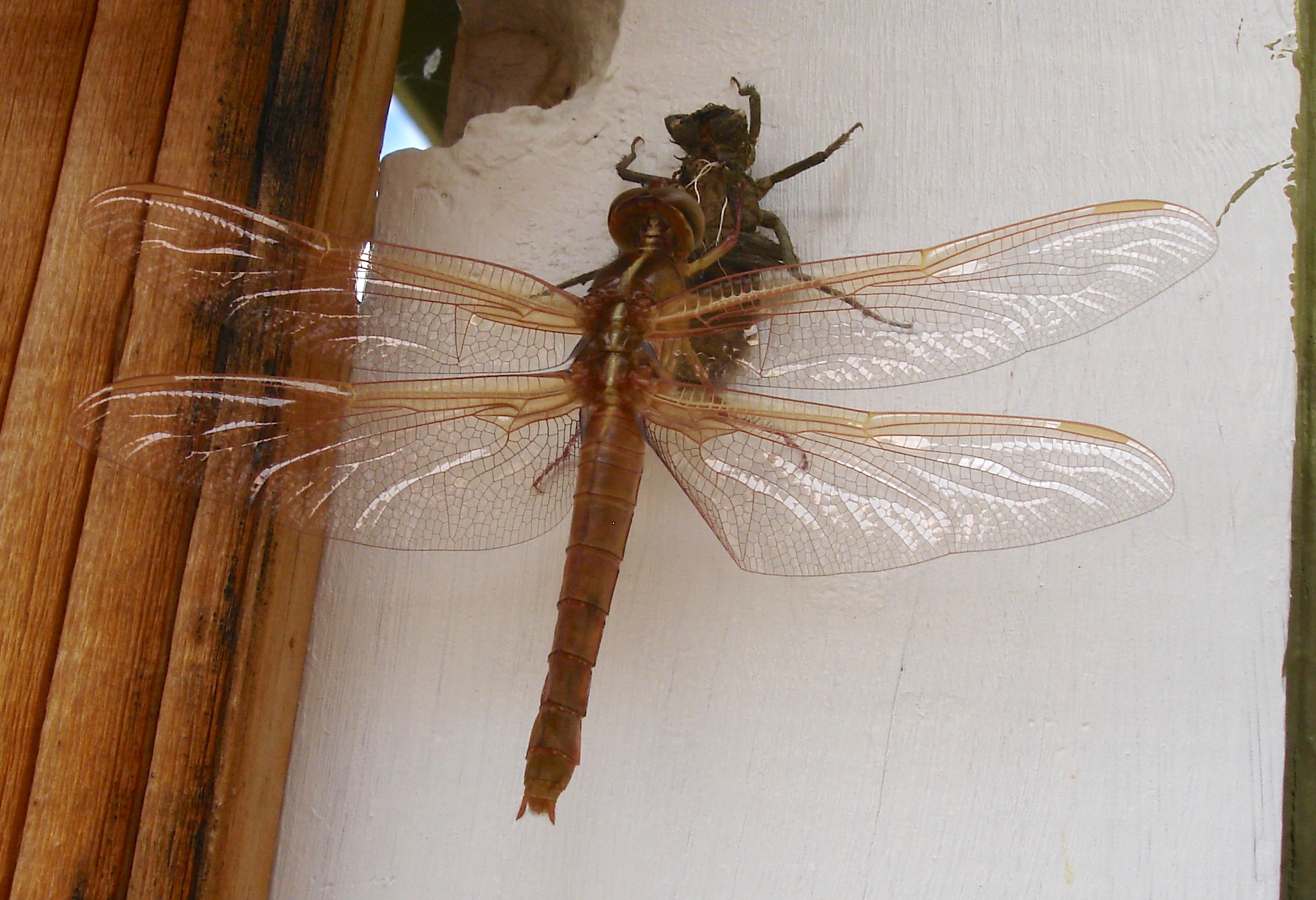
A new dragonfly emerges from its exuvia (former body, hardened):

monster birth

faerie emerged

smile

What a smile! open wings2

This was just before it took off into the elderberry tree above the pond where it no doubt spent the last few years as a nymph swimming around.  Days later we had the honor of helping a friend pass into the next realm, and also learned that the dragonfly was his totem.  And dragonflies are also guardians of the portals to the other worlds.

Share this:

  • Click to share on Facebook (Opens in new window) Facebook
  • Click to share on Pinterest (Opens in new window) Pinterest
  • Click to share on LinkedIn (Opens in new window) LinkedIn
  • Click to email a link to a friend (Opens in new window) Email
  • Click to share on X (Opens in new window) X
  • More
  • Click to share on Pocket (Opens in new window) Pocket
  • Click to share on Tumblr (Opens in new window) Tumblr
  • Click to share on Reddit (Opens in new window) Reddit
  • Click to print (Opens in new window) Print
Like Loading...

Bartering Re-Thunk – Essay reposted

19 Sunday Apr 2015

Posted by Jean Eisenhower in Uncategorized

≈ 4 Comments

Wrote years ago, edited a bit this morning, and reposted now.

My experience, philosophy, and how-to suggestions

I’ve been involved in three barter clubs off-and-on over almost thirty years.

Back in the mid-1980s, I was invited to help launch a barter club.  Inspired by a small book on the theory, I applied my public relations and organizing skills to the effort, spending significant hours with a small team of folks for many months, turning into a few years, brainstorming, planning, promoting, organizing, publishing, and maintaining operations.

But the idea barely got off the ground.  We sought the reasons, and found two major problems, neither to do with our organization, but to do with member demographic and buyer psychology:  1)  we had too many astrology readers, young healers, and such, and too few car mechanics and those with similar, culturally-essential “hard” goods and skills; and 2) people said they realized they were uncomfortable about going into “barter debt,” and therefore few could sell to those reluctant buyers.

We did what we could to attract more of the rare type of trader, and dealt with the oddly-different psychology of debt in the barter world by talking and writing about it and encouraging each other in various ways, such as barter parties.  The system still never got much traction, we volunteers felt the futility of our efforts, and eventually the trading group folded.

A decade later, I joined another barter club, already operating, though barely, begun by younger folks with slightly different ideas.  I remained uninvolved in operations, and it too soon folded.

Then I moved to Silver City and joined my third barter club in 2006 or 2007, consisting of more folks about my age.  I was encouraged that it had been operating for a few years, but at the first meeting I attended, it was announced that no one wanted the few volunteer jobs, and the people who currently held the jobs were suggesting the barter club close.

Since the vast majority wanted to close it down, I joined them – and I shared with the group an idea I’d had the week before.  I thought I finally understood the problem:

Barter clubs are made up of people, some of whom we know well and trust, and some of whom we know faintly but whom we’re required to trust whether we like it or not, because they’re in the club.  

Though no one wanted to voice those words in those months we probed the club for their reasons for wanting to fold, I believe my theory is logical and reasonable, and the cause is certainly unconscious and not what good, idealistic people want to admit about themselves:  they didn’t quite trust it and didn’t know why.  And even if they trusted every single person there that day, they knew that tomorrow someone new could join and that would change everything.

That, I decided, was the problem.

Bartering should be practiced, I now believe, not in defined circles, but in a vast number of overlapping networks – each person their own individual barter club network, designed perfectly to match their needs and trusted friends and acquaintances, whether a large group or small.

And to address the “hard goods” issue:  each person has the chance of working with their own car mechanic!

Each person’s network can be managed much like a checking account, with individualized promissory notes recording each transaction:  Simple, old-fashioned IOU’s.  

Everyone understands the concept.  By using them, we revive a bit of simpler-time, old-fashioned history.

Having explained this idea to the former local club those many years ago, I realize I have not bartered as much in these intervening years, even with my own barter notes at the ready, as I know I’m philosophically inclined to.

And the few barters I have made in the last few years quickly devolved – and I realize now, in this case, devolution can be a good thing – into simple gifting.  And this may be a positive outcome, even though it wasn’t my stated goal.  But it’s not the only outcome.

But let’s continue with this goal of bartering.

One friend and I began by using the method I’ll describe below, which got us comfortable with the idea of doing for others without receiving American dollars, “Federal Reserve notes,” in exchange.  With that new comfort, we suddenly found ourselves willing to let go of the accounting entirely – and we transcended barter and entered the “gift economy,” based on what one person needed and whether we had the time and energy for it.

Even though I’m not using the promissory note system of bartering at this time, I still believe the idea is extremely important, and I will almost certainly use the note system again when I need to buy or sell something and gifting doesn’t feel exactly right for any number of reasons.

Whenever the economy crashes, which could be any day, this idea could prepare us to keep at least some aspects of our local economy moving without a lot of massive organizing.

It’s simple and flexible.  Each person can choose what’s right for them, bartering with few or many, giving things away or “paying it forward,” knowing it’ll all come back around somehow, and we’re reclaiming an ancient rite – the right to exchange goods and services with friends and acquaintances with no system or mediator in between.

Preparation

Make yourself some barter notes which describe the sort of products and services you have to offer.  Imagine a bank check with small-print advertising at the bottom.  You might even add a small photo of yourself up next to your address, so your note might have the chance to be passed along to someone else, like a second-party check.  Then, friends of friends who don’t remember your name might recognize your face and realize they trust you enough to accept your note from their friend.

Think about your circle of friends and who might provide what you need, and consider what you have to offer them.  Tell them about this idea, and pass this article along.

“Suggestions”  for Security

A)  Barter only with people you chose to trust, given your personal situation.

B)  If you think you might pass on a note you receive from one person to another for another trade, like passing on a two-party check, make sure that the note-maker’s contact information is legible and correct on their notes.

C)  If you don’t know someone who wants to barter with you, and especially if they’re new to town:

a)  Ask them to provide you the goods or service first, with you giving them your note, or

b) Ask a mutual trusted friend to create a three-way barter:  The friend who trusts them accepts their note, you accept the known friend’s note, and the stranger gets what they need from you.

(I’ve had repeated experiences of strangers, often sweet young women who seem hip to everything progressive, asking for things, then stealing from me – perhaps a cosmic lesson I’m supposed to learn – so I am now far more cautious than some.  We all have a right to set our own boundaries as we decide is best.)

Nuts and Bolts

1)  Design your promissory notes just like a check – which everyone understands – with your name and contact information legible, and blank lines for date, note number, recipient’s name, memo, and your signature.

2)  Since your notes will one day be redeemed for your goods or services by either the person you’re now handing it to, or by a friend or acquaintance of theirs who might accept it for a subsequent trade, you might make a few notes in common denominations, such as $20s, $10s, or whatever is likely to come back to you for what you have to offer.

3)  On the other hand, if someone brings you back your old note for $40, you can always give them back a new $20 note as change.

4)  To create the second-party note:  On the reverse, where a deposit signature goes on the left-hand end (where second-party notations used to be made on checks more commonly than today), simply write the transaction details briefly, i.e., Signed to Jane Smith, January 1, 2014, for yard work, then your signature.  This can be repeated as many times as there is space on the back.  If a person wants to pass the note on again to a person other than the original maker, but there’s no room on the back, the note can be exchanged with the original maker for a new note.

5) Keep a list of your accounts, listing each note as you issue it.  It’ll track to whom, what for, and the amount, so you always know how much of your “promise” or debt is out there, one day to require your goods or labor, or how much credit you can safely spend!

When your notes are redeemed and returned to you, keep them as proof that they’ve been redeemed.  (In case you worry someone might one day try to reproduce and pass one off – not that I’m that paranoid, but it’s good to consider all possibilities.)

(It often seems that if protective measures aren’t built-in from the beginning, the opening attracts the very thing to exploit it – perhaps a cosmic dynamic, teaching us consciousness?)

6) Because of this possibility, anyone accepting a second-party note should call the maker of the original note to confirm the original maker is still around, is still able to trade their goods and services for their notes, and the two of you confirm the note is good.  The call can be made in a friendly way, for instance, “I’m about to accept, or am considering accepting, a barter note you wrote a year ago to Margaret.  She passed it on to Anna, who passed it to Bob, and now he’s here to spend it.  So, I’m thinking I’ll be bringing it back to you for some mending work soon.”

6)  If you have a shop, display a sign that says you accept barter in the form of promissory notes.  Then have copies of this information to share, as well as your notes to demonstrate.  But be discriminating.  Barter only with whom you choose, and use the rules above.

7)  Consider carrying blank promissory notes – without your name and information on them – and maybe a copy of this article.  Then, whenever you find someone open to the promissory note idea, you’ll be ready to help them make the transaction with little fuss.  Even if they are hesitant at first, you can give them the article and a blank note, and one day they may call you to make a deal.

8)  Remember you can even trade outside your local area, if you know people who travel regularly between their area and yours, and you have mutual friends.

9)  Finally, this may strike some as sacrilegious, but:  Since our notes will look much like checks, and many of us have checks we no longer use because of automatic deduction and debit cards, and these checks already have all the information we want pre-printed on them, we might just black out the bank information and add the words “Promissory Note”!

In short:  No club.  No membership.  No massive bookkeeping.  Only a series of networks, each personally chosen, flexible and ever-changing, potentially ever-growing, of people doing what people have always done to meet their and each other’s needs – bartering.

Share this:

  • Click to share on Facebook (Opens in new window) Facebook
  • Click to share on Pinterest (Opens in new window) Pinterest
  • Click to share on LinkedIn (Opens in new window) LinkedIn
  • Click to email a link to a friend (Opens in new window) Email
  • Click to share on X (Opens in new window) X
  • More
  • Click to share on Pocket (Opens in new window) Pocket
  • Click to share on Tumblr (Opens in new window) Tumblr
  • Click to share on Reddit (Opens in new window) Reddit
  • Click to print (Opens in new window) Print
Like Loading...

Designing a Human Ecosystem

05 Sunday Apr 2015

Posted by Jean Eisenhower in artwork, Uncategorized

≈ Leave a comment

Just discovered this in my draft folder, meant to be posted last summer!  Ah well.  Now’s a good time too ~

Even though I haven’t been promoting my design business (locally), I’m still delighted when folks ask me to help them with their designs.

[This blog was previously published in Desert Exposure, the award-winning local arts and entertainment monthly magazine in Silver City, New Mexico.  My article covers designing for beauty, privacy, quiet, functionality, ergonomics, economics, passive solar design, environmental responsibility, and more!)

Author Jean Eisenhower with friend Darlene Dabroslavic, partner Greg Renfro, and cat Peaches.

Author Jean Eisenhower with friend Darlene Dabroslavic, partner Greg Renfro, and cat Peaches.

Wonderful to be out in the garden again!  Sitting.

Yes, sitting.  I haven’t felt like working much yet this year.  Maybe I’m recovering from doing so very much last summer.

I often ask myself why this space nurtures me so well.  It’s not just one or a couple of things.  We’re connected to a vast Universe, all of it impacting us in different ways, as we impact our yards and gardens in different ways, all of it requiring consideration.
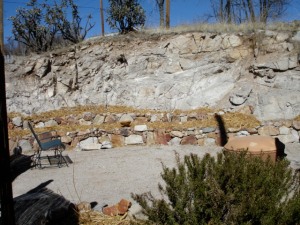
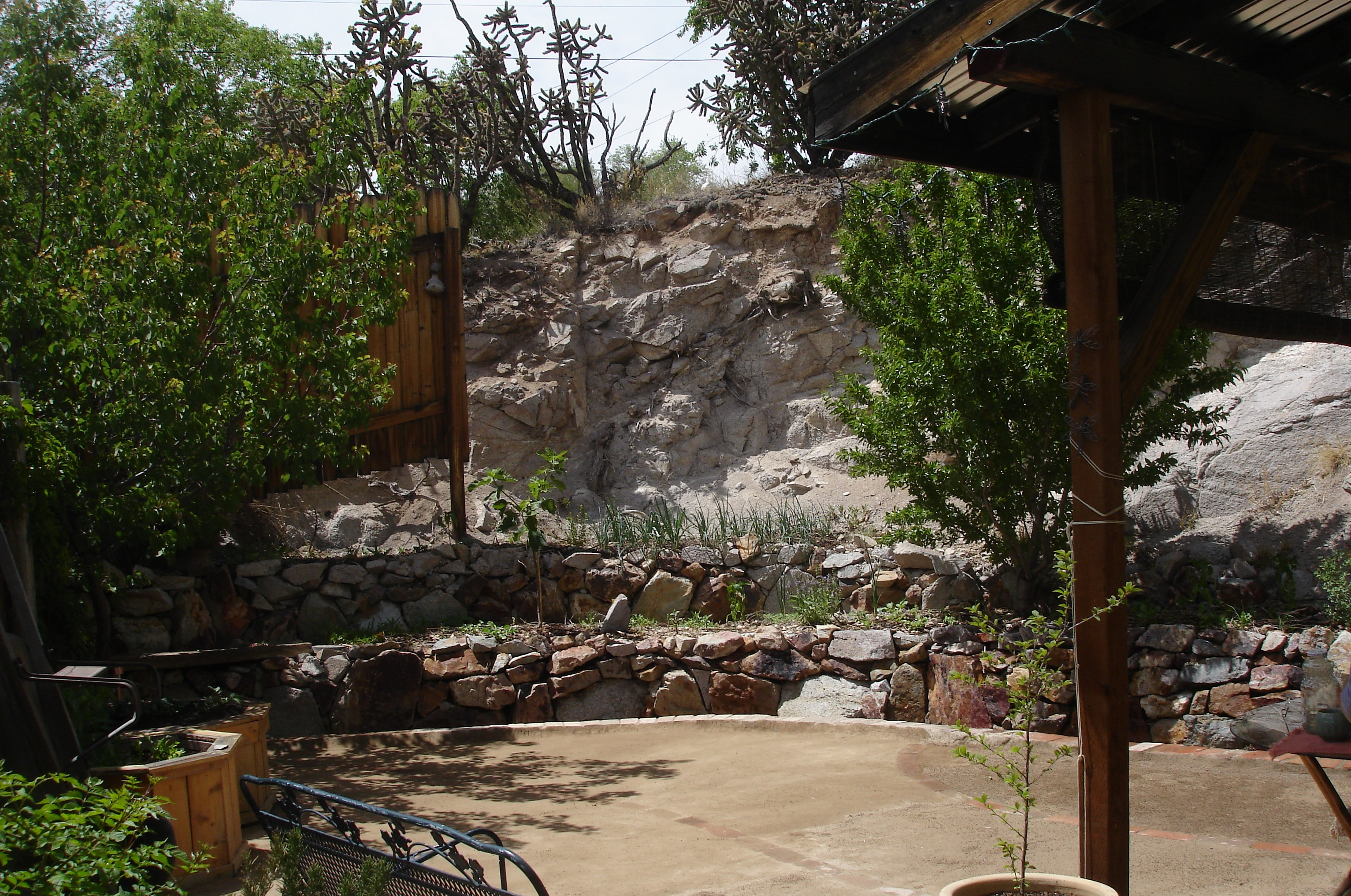
terracesMy neighbors have seen my yard slowly transform over the past eight years, from the solid granite hill cut with elm trees and four other major living plants, to an elm-cleared weedy lot with barren structures of fence posts, swales, and materials piles – and terraces built against the rock hill – to a cedar-fenced enclosure with a half-dozen young trees peeking above (and lots more unseen inside) with experimental plantings on the outside. It’s been a slow go.
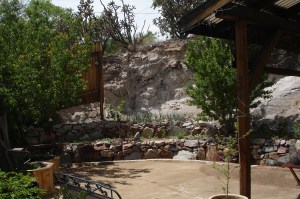
shady terraces cropIt’s a complex process to create something not just aesthetic, but ecologically responsible, functional, productive, socially nurturing, self-nurturing, ergonomic, and economic!  It’s not something to knock out on paper in an afternoon and then hire the workers to complete next week.

Our yards are ecosystems we’re creating of uncountable living beings, all interacting.  The design task challenges our creativity and our consciousness.  The result is a harmonious gathering of living beings to share our space on quiet mornings, nurturing, inspiring, and healing.

If I could wish anything for everyone on this planet, it would be a garden that nurtures them, body, mind, and soul.

Since we each have different needs, abilities, and constraints, each of us need a unique design.  Here are some basic considerations:

Privacy and Quiet

Modern life subjects us to a lot of stimuli and has taken most of us away from the natural, living world to some degree, so it’s important for us to create at least a small natural space where we can be free of overstimulation, including social stimuli.  Fences or hedges seem essential to most people who want to spend time outdoors.

Beauty

penstemon

The most beautiful items, I assert, are found in nature:  stones, trees, flowers, and all plants.  A yard needs nothing more to create beauty.

If we need to introduce manufactured items, for instance to build a fence, the more natural the better.

Garden hoses, plastic tubs, trash cans can all be stored in a single location, maybe shielded, leaving all the rest of yard for feasting the eyes on natural colors, lines, textures, and shapes.  When we must have a manufactured item in those areas, for instance, chairs, the colors and textures should be harmonious.
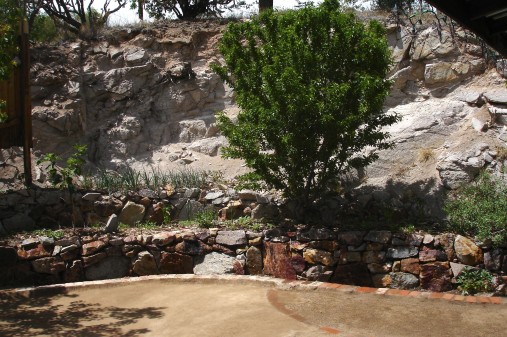
DSC03486Lines in the yard needn’t be rectilinear.  Paths and fences can meander, and patios should be shaped organically to suit their function.  Rectangles have their place in modern efficiency, but we’re not packing patios into the back yard!  Often, we just have one, and it should be shaped to support the life on it and surrounding it.  What will be on and around it?  Hold that thought.

Columbines thrive next to (and hide) the plastic water container we keep full for birds - and hopefully for a little aquaculture one day!

Columbines thrive next to (and hide) the plastic water container we keep full for birds – and hopefully for a little aquaculture one day!

Color!  Who doesn’t thrill at the first spring flowers?  Flowers bring us such wonderful lessons in harmony and aesthetics in every iris, columbine, rose, garden sage spike, evening primrose, twining morning glory, and even my beloved, modest globe mallow (she’s a healer, you know).  And prickle poppies, thistles (please don’t mow them down, City!), elderberry, desert willow, fairy duster, and all the others unnamed.  And these are just the flowers that grow with almost no effort!  

Please don’t be too practical (like I used to be) and think that all the soil needs to be in vegetable production!  Allow the flowers, and then learn what they’re good for.  Dandelion, for instance, is excellent medicine.  Flowers, if we understand them and use their medicine appropriately, might even save us thousands of dollars in health care!

I remember little from my grade school and high school art education, but I found it easy to apply what I learned about harmony, balance, dominance and emphasis, similarity and contrast, etc. in my yard, and it was pure fun to create garden beds with meandering edges, and to use brick dividers (meandering also) in the patio, pointing to “featured elements” of apricot and almond trees.  (A refresher in art basics is as close as the public library!)

Functionality, ergonomics
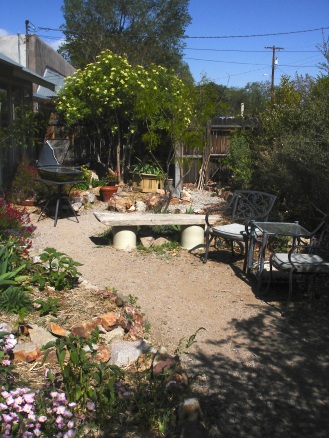
DSC04421

This formerly rectangular yard was made both more attractive and more functional by expanding the edge gardens toward the center, leaving just enough room for walkways and seating.

Don’t start those lines meandering until you’ve considered as many functions of your yard as you can possibly imagine.  Where do you need to walk the most often, less often, or once a year?  What do you need to store?  Try to think of everything, and then add more space for the unexpected.

What are your physical needs?  Those of your family and friends?  Consider the future and decide where you might want to plan paths, now or later, wide enough for a wheelchair.

Do you want to change the location of anything?  Is your hose bib in the sun in winter?  Is your compost near the back door, but not too near?  Are your gardens convenient to the kitchen, especially beds of things you use often, like herbs, or need to check regularly, like those zucchini?

Do you have furniture that lets you enjoy the yard fully?  Do you need a place for people or animals to play?  Do you like the idea of a social space for friends to gather?  If so, what’s needed for that?  Would an outdoor fireplace extend your enjoyment of your yard?

Do you have a work table outside, to clean all that harvested food or those flowers before bringing them inside?

DSC04401

Soon we’ll plumb this enameled-metal sink – with solar-heated water – for lots of planting and clean-up convenience! Underneath there’s lots of good storage.

Is anything too low or too high for comfort?  Can you change that?

Straight rows of vegetables have a few advantages, easily accepting rectangular shading and rectangular cold frame boxes.  But there are advantages in a circle too!  A 6-foot-diameter round garden with a “keyhole” entry to the center allows the gardener to access it all from one spot, and – best – let’s the gardener twist and turn ergonomically, healthily, while tending the plants!
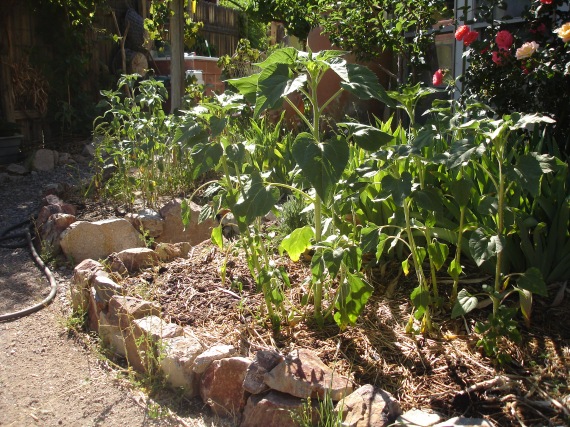
One winter squash plant will be nestled in the center of each lobe of this adapted “keyhole” garden – under the sunflowers adding their nitrogen. (The keyhole is the entryway to the center.)

Economics
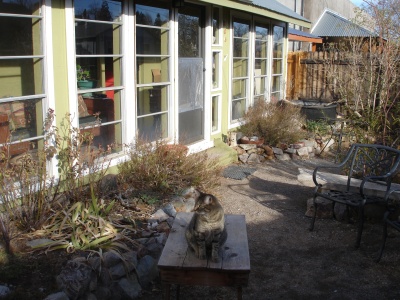
winter solstice

Windows in full sun on the Winter Solstice!

summer solstice

Windows in full shade on the Summer Solstice!

A well-designed yard with appropriate passive solar design can save hundreds of dollars each year in energy and water bills, and can provide as much in food and herbal medicines.  If you compost and recycle, you’ll help the whole community with landfill costs and be able to amend your soil for free.

A good design can also add living space, and that and the beauty will enhance the value of your home.

And maybe your yard or garden can help you earn an income.

If you ever get more food than you can eat or easily process, consider a simple food dryer.  It’s a huge money-saver and time-saver over canning.

These home-made food drying trays are made of hardware cloth, lined with plastic window screen and shielded from insects with the same, sitting on reflective corrugated metal - easy to construct and easy to break down and store.

These home-made food drying trays are made of hardware cloth, lined with plastic window screen and shielded from insects with the same, sitting on reflective corrugated metal – easy to construct and easy to break down and store.

Ditto drying your clothes on a line outside.  Do you have a good place in the sun for the line?  Consider those that roll-up against the side of the house.

Solar ovens also save money, and we users insist the food tastes better!

Stuffed bell peppers cooking with the sun - a summer favorite!

Stuffed bell peppers cooking with the sun – a summer favorite!

Also consider an outdoor shower or tub, to cool off when working outside and then to recycle the water into the garden – another savings!
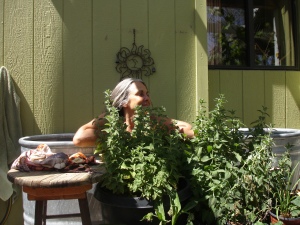
Refreshing, convenient, and the bathwater doubles as plant water!

Refreshing, convenient, and the bath water doubles as plant water!

Ecology

No need for plastic patio mist machines when you have good passive solar design.  That means planning to get solar radiation in the winter to your home and patio – and gardens, compost, chickens, dog house, hose bibs, etc, while protecting many of those elements from the sun in summer.  Since the winter sun cuts a low arc across the southern sky and the summer sun rises and sets northerly and crosses the sky higher overhead, we can plan to get solar gain to specific elements in winter and shade some of them from the east, west, and overhead in summer.

It’s a great puzzle!  Not only 3-D, but changing though time – the fourth dimension – the seasons and years, as trees and other shade-producing plants grow and deciduous ones lose and regain their leaves every year!  Yes, a puzzle-worker’s delight – in 4-D!

ALL the roof water descends on this one corner.  Whatever overflows the tank is directed alongside the swale ("low place") around the patio alongside the fruit trees!

ALL the roof water descends on this one corner. Whatever overflows the tank is directed alongside the swale (“low place”) around the patio alongside the fruit trees!

Then there’s water.  We’ve recently joined billions of people all over the planet who need to fight to protect their water source.  And with the weather becoming increasingly erratic, the water concern is even greater.  So, to be responsible for our water use, we must heavily mulch our gardens, plant appropriate desert-adapted species, and use as efficiently as possible the rainwater that falls on our property.  Since the average American roof can harvest 1,000 gallons in a good rainfall, it makes sense to either save it in tanks or direct it to collect in gentle swales, shallow depressions.  These are most attractive when they are shallow, perhaps just a few inches deep, and especially when they meander across your property, maybe alongside your pathways, providing a place for herbs, flowers, and trees.  There’s no sense in letting the water flood the street – or flood your yard and paths.  Design!

Plastic offends my sensibilities, though obviously modern life demands that we accept it. Still, I see no need to have any more of it in my private garden than is necessary.  So I pay more for products that will one day go back to the Earth easily and naturally, and I discover there’s an awful lot of stuff that just isn’t necessary.  Plastic garden hoses I don’t know how to get around.  Our water harvesting tank, recycled from a natural food container, was ugly to me, so we plastered over it to blend in with the granite hillside.

We buy nothing toxic at the nursery, except for one thing to eradicate the elm trees – an invasive species that will kill off all competitors.  If anyone knows of a natural option, please let me know, and I’ll spread the word far and wide.

Honeybees all over the planet are in decline.  By planting gardens and tending them organically, we can do a small part to sustain the bees.  And bee-keeping is becoming a popular avocation, enhancing one’s garden productivity, providing free honey (with local pollen, homeopathic allergy help) and high-value wax, as well as helping the planet with her bees.   (I’m planning one for our roof.)

To the right of our front door, "Johnny Jump-ups" (little blue and white violas) were recently seeded beneath the straw mulch.  To the right is a pottery bowl always kept full of water for small wildlife.  Near the stones and crystals is a young wisteria that'll one day cascade its blooms in an arch over the doorway!

To the right of our front door, “Johnny Jump-ups” (little blue and white violas) were recently seeded beneath the straw mulch. To the right is a pottery bowl always kept full of water for small wildlife. Near the stones and crystals is a young wisteria that’ll one day cascade its blooms in an arch over the doorway!

All wildlife is stressed these days, but our yards can provide some habitat by including native species.  It’s best to avoid bird-feeders (using seed from mono-culture crops elsewhere that destroyed native habitat, and requiring long-distance transportation and plastic bags), but the old birdseed can be allowed the sprout where it has fallen, then the stalks can be gathered and set out for the birds, to fall and sprout again.  But the local, native food, of course, is best.

Lizards love stones for their homes and can be counted on to provide a degree of free insect control, so be sure to use piles of stones in your yard.  And bat houses (designs online) can do even more.

If you have deer in your neighborhood, please don’t feed them.  They quit eating what’s healthiest for them, then bother your neighbors, and eventually get moved and/or killed by Game and Fish.

Respect for the Earth and others

The more I work this puzzle, try to put together my own little, healthy living ecosystem on this barren granite hill cut (a desert in a desert, coming to new life), the more impressed I am by the fragility and resiliency of life.  I think now before I put a blade into the soil.  The micro-organisms, fungi, worms, and other lifeforms don’t like the light and dry air and will quickly die.  Do I need to do what I’m doing?  If so, perhaps I can mitigate my activities.

As gardener, I have the life of every living thing in this garden in my hands.  I’m like God to these beings – or Goddess.  Am I conscious of this responsibility?  Not always, I’m sorry to say, but I’m becoming more so.

Finally, I’ll admit that I’ve been blessed to experience the Mysterious in the garden – Intelligences that have been given many names throughout time:  elementals, devas, faeries, gnomes, sprites, undines, etc.  Whatever their names, they’ve been described by philosophers of different eras, Paracelsus and Rudolph Steiner, in particular, and many other mystics throughout time.  These intelligences are credited with the health of all living things on the planet.  We might forego those other names and just call them the life force.  In any case, the life force is intelligent, powerful, healing, and essential – not just for our gardens, but for us.  If we respect It, it respects us and can help us.

Peaches enjoys a place in the garden I haven't yet made inaccessible this year by laying pruned tree limbs across them.

Peaches enjoys a place in the garden I haven’t yet made inaccessible to her this year by laying pruned tree limbs across them.

And so the garden blesses me whenever I take the time to sit in it.  It gives me beauty, privacy, relaxation, healthy food (for family and chickens), herbal medicines, water I can use, sun when I want it, shade when I want it, comfort, ease, entertainment, delight, and a place for friends to gather now and then.

It also helps me be consciousness of the infinite intelligence of our cosmos.


Jean Eisenhower is proprietor and designer at Home and Garden Inspiration.  She loves consulting to help others design their gardens!

This article is also posted online here It’s online here – http://www.desertexposure.com/201406/prt_201406_bms_ecosystem.php – but with only one photo.
Share this:

  • Click to share on Facebook (Opens in new window) Facebook
  • Click to share on Pinterest (Opens in new window) Pinterest
  • Click to share on LinkedIn (Opens in new window) LinkedIn
  • Click to email a link to a friend (Opens in new window) Email
  • Click to share on X (Opens in new window) X
  • More
  • Click to share on Pocket (Opens in new window) Pocket
  • Click to share on Tumblr (Opens in new window) Tumblr
  • Click to share on Reddit (Opens in new window) Reddit
  • Click to print (Opens in new window) Print
Like Loading...

Healing in the Pleasure Garden of the Body

27 Friday Mar 2015

Posted by Jean Eisenhower in Uncategorized

≈ Leave a comment

Tags

sexual healing

header-event_03

I wish I’d posted about this sooner, but perhaps it’s not too late for you to join.

This seminar – which has been very good, and profound at times – lasts through Sunday, and the last couple days will be available for a couple of days.

And it’s free!

Share this:

  • Click to share on Facebook (Opens in new window) Facebook
  • Click to share on Pinterest (Opens in new window) Pinterest
  • Click to share on LinkedIn (Opens in new window) LinkedIn
  • Click to email a link to a friend (Opens in new window) Email
  • Click to share on X (Opens in new window) X
  • More
  • Click to share on Pocket (Opens in new window) Pocket
  • Click to share on Tumblr (Opens in new window) Tumblr
  • Click to share on Reddit (Opens in new window) Reddit
  • Click to print (Opens in new window) Print
Like Loading...
Newer posts →

Enter your email address.

Join 65 other subscribers

Acclaimed memoir

My Other Sites

RattleSnakeFire.com

ParadigmSalon.net

YouTube/ParadigmSalonVideo

GardenHealingChurch.org


Translate

Recent Posts

  • Fraud July 4, 2025
  • How am I? May 25, 2024
  • Can’t believe I waited to get healing help August 6, 2023
  • Crazy Javelina video January 29, 2023
  • Accomplishments & Challenges in 18 Months January 29, 2023
  • New Homestead December 19, 2021
  • Strange Clouds over Quartzsite March 8, 2020
  • A Year and a Half on the Road May 5, 2018
  • Travelogue #5 May 17, 2017
  • Targeted Individuals 101 December 13, 2016
  • “Sanctuary” by Caroline North October 7, 2016
  • New York Times covers “Targeted Individuals” September 20, 2016
  • I am a “Targeted Individual” September 4, 2016
  • Pledge of Allegiance and Righteous Complaints September 1, 2016
  • “Act of Love” courtship dance April 9, 2016
  • Great Video on Nikola Tesla – fun night watching! January 19, 2016
  • Building an Adobe Tree October 27, 2015
  • The Garden and the Medicine Cabinet October 22, 2015
  • Volunteering to Bring Toxic Chemicals into our Homes – and Pour them on our Heads October 8, 2015
  • Soap Heresy: Use less, use more consciously September 10, 2015
  • Your Sun Oven Distributor with a Reminder September 3, 2015
  • It’s good to know who we are July 23, 2015
  • Love Has No Labels July 1, 2015
  • First Annual “Summer Solstice Solar Cooking Celebration” in Silver City! June 16, 2015
  • Primitive Arts April 26, 2015
  • Amazing Photos: Dragonfly Birth April 25, 2015
  • Bartering Re-Thunk – Essay reposted April 19, 2015
  • Designing a Human Ecosystem April 5, 2015
  • More knitting and crochet ;} April 4, 2015
  • I am a Weaver April 4, 2015
  • Healing in the Pleasure Garden of the Body March 27, 2015
  • New Artwork! The “Bird Nest Bag” ~ March 25, 2015
  • Best Film! “Human Resources” by Metanoia Films July 1, 2014

Archives

Site Map

  • Home
  • Author
    • RattleSnake Fire: a memoir of extra-dimensional experience
    • “Overview of an Ignored Reality”
    • “Don’t Shoot the Drummer”
    • “Backlash ‘Deadly Serious’”
    • “Tree Hugger”
    • “Born on the 7th of July: A Citizen’s Scrapbook Story”
    • “Paracelsus, Rudolph Steiner and Aliens”
    • “Last Vision Quest”
    • “The Roadgrader”
    • “Solar Inspiration”
    • “Remaking Our Economy – Our Way”
    • Bartering Re-Thunk
    • Designing a Human Ecosystem
    • I am a Weaver
  • Artist
    • Home & Garden
    • Fiber Art
    • Pencil
    • Primitive Arts
    • Video & Radio
    • Natural Plaster and Stone
    • Photography
  • Consultant
  • More
    • Desert Hermit
    • Speaker
    • Minister
    • Real Estate Agent
    • Business Manager
    • Transpersonal Hypnotherapist ™

Member of The Internet Defense League

Website Built with WordPress.com.

Privacy & Cookies: This site uses cookies. By continuing to use this website, you agree to their use.
To find out more, including how to control cookies, see here: Cookie Policy
  • Subscribe Subscribed
    • Jean Ann Eisenhower
    • Join 65 other subscribers
    • Already have a WordPress.com account? Log in now.
    • Jean Ann Eisenhower
    • Subscribe Subscribed
    • Sign up
    • Log in
    • Report this content
    • View site in Reader
    • Manage subscriptions
    • Collapse this bar
 

Loading Comments...
 

    %d